
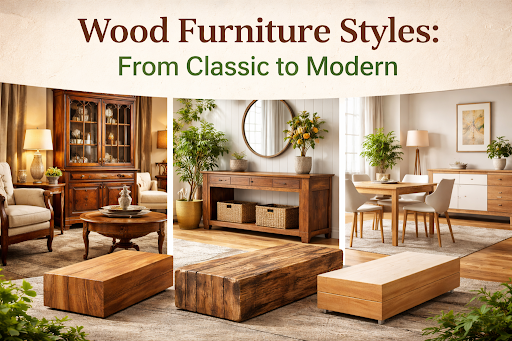
Furniture is more than just a necessity—it shapes the personality of a space. The style of furniture you choose reflects your taste, influences comfort, and defines how a home feels. Over time, wood furniture styles have evolved from traditional craftsmanship to sleek and contemporary designs. This evolution allows homeowners to choose pieces that align with both their lifestyle and aesthetic preferences.
Understanding the journey from classic to modern wood furniture helps in making better design decisions. Whether you prefer timeless elegance or minimal sophistication, wood remains a versatile material that adapts beautifully to every style.
The Timeless Appeal of Classic Wood Furniture
Classic wood furniture represents tradition, craftsmanship, and detail. It is often inspired by historical designs and features intricate carvings, rich finishes, and solid construction. These pieces are usually made from strong hardwoods and are built to last for generations.
The beauty of classic furniture lies in its attention to detail. From curved legs to decorative panels, every element is thoughtfully designed. These styles create a warm and luxurious atmosphere, making them ideal for formal living rooms, dining areas, and heritage homes.
Classic furniture also carries a sense of permanence. It does not go out of style easily and often becomes a part of family legacy. The richness of wood tones and detailed craftsmanship adds depth and character to interiors.
Transitioning Styles: Where Classic Meets Contemporary
As lifestyles began to change, furniture styles also adapted. Homeowners started looking for designs that balanced tradition with practicality. This led to transitional styles—a blend of classic and modern elements.
In transitional furniture, heavy carvings are replaced with subtle detailing. The designs are simpler but still retain a sense of elegance. Neutral tones and smooth finishes make these pieces suitable for a wide range of interiors.
This style is ideal for those who appreciate traditional aesthetics but want a cleaner and more updated look. It bridges the gap between old and new, making spaces feel both comfortable and refined.
The Rise of Modern Wood Furniture
Modern design focuses on simplicity, functionality, and clean lines. Modern wood furniture eliminates unnecessary detailing and highlights the natural beauty of the material. The emphasis is on form and function rather than ornamentation.
Straight edges, smooth surfaces, and minimal finishes define this style. Lighter tones and natural textures are often preferred, creating a calm and uncluttered environment. This makes modern furniture perfect for apartments, offices, and contemporary homes.
Another key feature of modern furniture is its practicality. Pieces are designed to maximise space and usability. Storage solutions are integrated seamlessly, making furniture both stylish and functional.
Minimalist Style: Less is More
Minimalism is a popular extension of modern design. It focuses on reducing visual clutter and using only essential elements. In minimalist interiors, wood furniture is often simple, sleek, and free from excessive decoration.
The beauty of this style lies in its clarity. Each piece serves a purpose while maintaining a clean and open look. Light wood finishes and neutral colours enhance the sense of space, making rooms feel larger and more peaceful.
Minimalist furniture is ideal for urban living where space optimisation is important. It promotes a lifestyle that values simplicity and thoughtful design.
Rustic Wood Furniture: Natural and Warm
Rustic style celebrates the raw and natural beauty of wood. It often features textured surfaces, visible grains, and earthy tones. Unlike polished modern designs, rustic furniture embraces imperfections such as knots and uneven finishes.
This style creates a warm and inviting atmosphere. It is commonly used in homes that aim for a cosy and relaxed feel. Rustic furniture works well with natural elements like stone, plants, and soft lighting.
Although it has a traditional touch, rustic furniture can also be blended with modern interiors for a unique contrast.
Industrial Style: Bold and Functional
Industrial furniture combines wood with metal elements to create a strong and practical look. Inspired by factories and warehouses, this style uses raw materials and simple construction techniques.
Wood surfaces are often paired with iron frames, giving furniture a rugged appearance. The focus is on durability and utility, making it suitable for both homes and commercial spaces.
Industrial style has gained popularity in modern interiors because of its bold character and versatility. It adds an edge to spaces while maintaining functionality.
Scandinavian Style: Light and Functional
Scandinavian design is known for its simplicity, functionality, and connection to nature. It uses light-coloured wood, clean lines, and soft textures to create a comfortable and airy environment.
Furniture in this style is designed to be practical without compromising on aesthetics. The focus is on creating a balanced and harmonious space that feels welcoming.
This style is perfect for those who prefer subtle elegance and a clutter-free environment.
Choosing the Right Wood Furniture Style
Selecting the right style depends on several factors, including space, lifestyle, and personal preference. Larger homes can accommodate heavier and more detailed furniture, while smaller spaces benefit from sleek and minimal designs.
It is also important to maintain consistency. Mixing too many styles can make a space feel unorganised. However, combining complementary styles can create a unique and personalised interior.
Understanding how different wood furniture styles interact with space helps in creating a cohesive and visually appealing home.
Balancing Style with Functionality
While design is important, functionality should never be overlooked. Furniture should support daily activities and provide comfort. Modern lifestyles demand furniture that is both stylish and practical.
Multi-purpose furniture, smart storage solutions, and ergonomic designs are becoming essential. This is where modern wood furniture stands out, as it combines aesthetics with usability.
Investing in well-designed furniture ensures long-term satisfaction and better living experiences.
The Role of Wood in Interior Design Trends
Wood continues to remain relevant in evolving design trends. Its natural texture and adaptability make it suitable for various styles. Whether polished or raw, wood adds warmth and depth to interiors.
Designers often experiment with finishes, colours, and combinations to create fresh looks. From matte surfaces to mixed materials, wood furniture continues to evolve while maintaining its timeless appeal.
Conclusion
The journey of wood furniture styles from classic to modern reflects changing lifestyles and evolving design preferences. While classic furniture offers richness and tradition, modern styles bring simplicity, efficiency, and functionality into everyday living.
Each style has its own charm and purpose. The key is to choose furniture that aligns with your space, needs, and personal taste. Whether you prefer detailed craftsmanship or clean minimal designs, wood remains a reliable and elegant choice for every home.
When it comes to selecting high-quality wooden elements that complement these styles, choosing the right brand becomes equally important. GSM DOORS is known for offering premium wooden solutions that align with both classic and modern interiors. With a focus on quality materials and refined craftsmanship, GSM DOORS ensures durability while maintaining strong design appeal.
By understanding different styles and investing in trusted names like GSM DOORS, homeowners can create interiors that are not only visually appealing but also built for long-term performance and everyday comfort.
FAQs
1. What are the main types of wood furniture styles?
The main styles include classic, modern, minimalist, rustic, industrial, and Scandinavian.
2. What defines modern wood furniture?
Modern wood furniture focuses on clean lines, simplicity, and functionality without heavy detailing.
3. Is classic wood furniture still popular?
Yes, classic furniture remains popular for its timeless design and durability.
4. Which style is best for small spaces?
Minimalist and modern styles are ideal for small spaces as they reduce clutter and maximise functionality.
5. Can different wood furniture styles be mixed?
Yes, but it should be done carefully to maintain balance and harmony in the space.